Last updated November 22, 2026
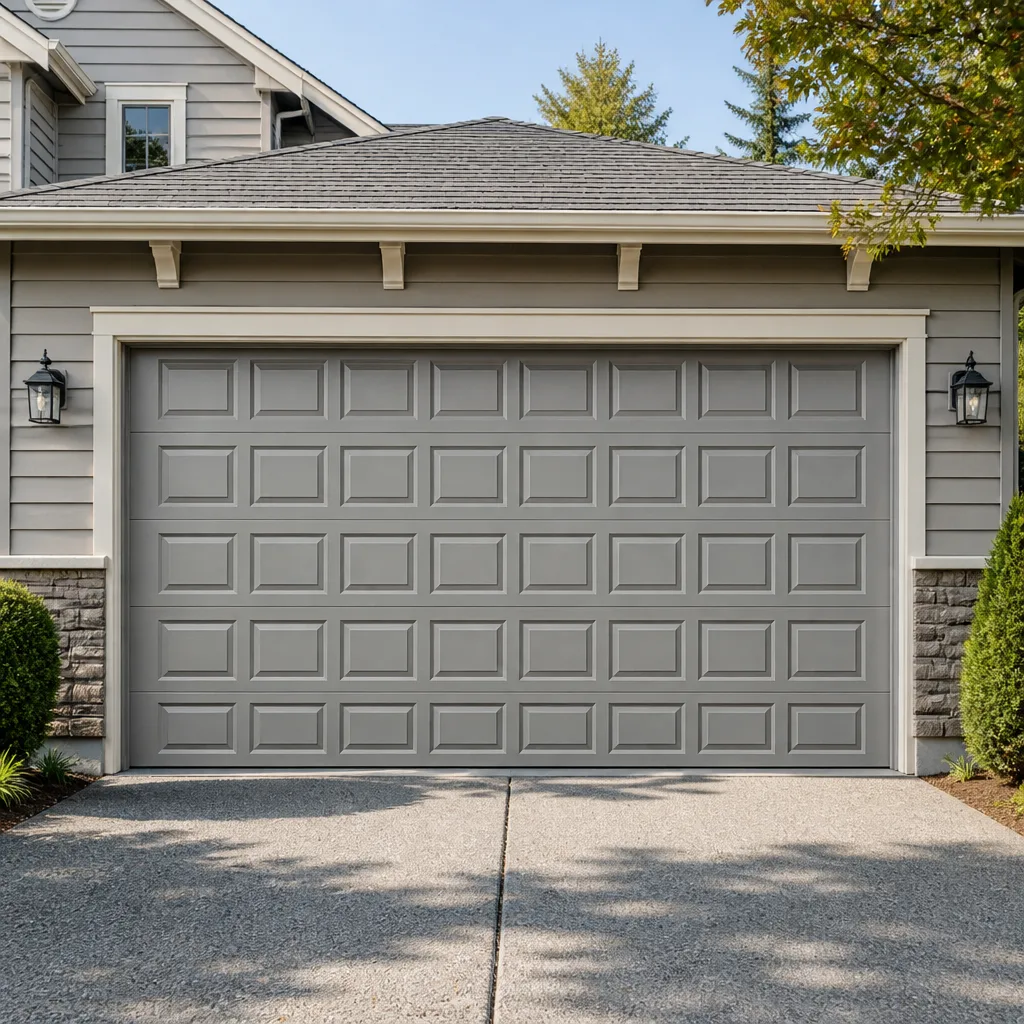 Raised-panel steel
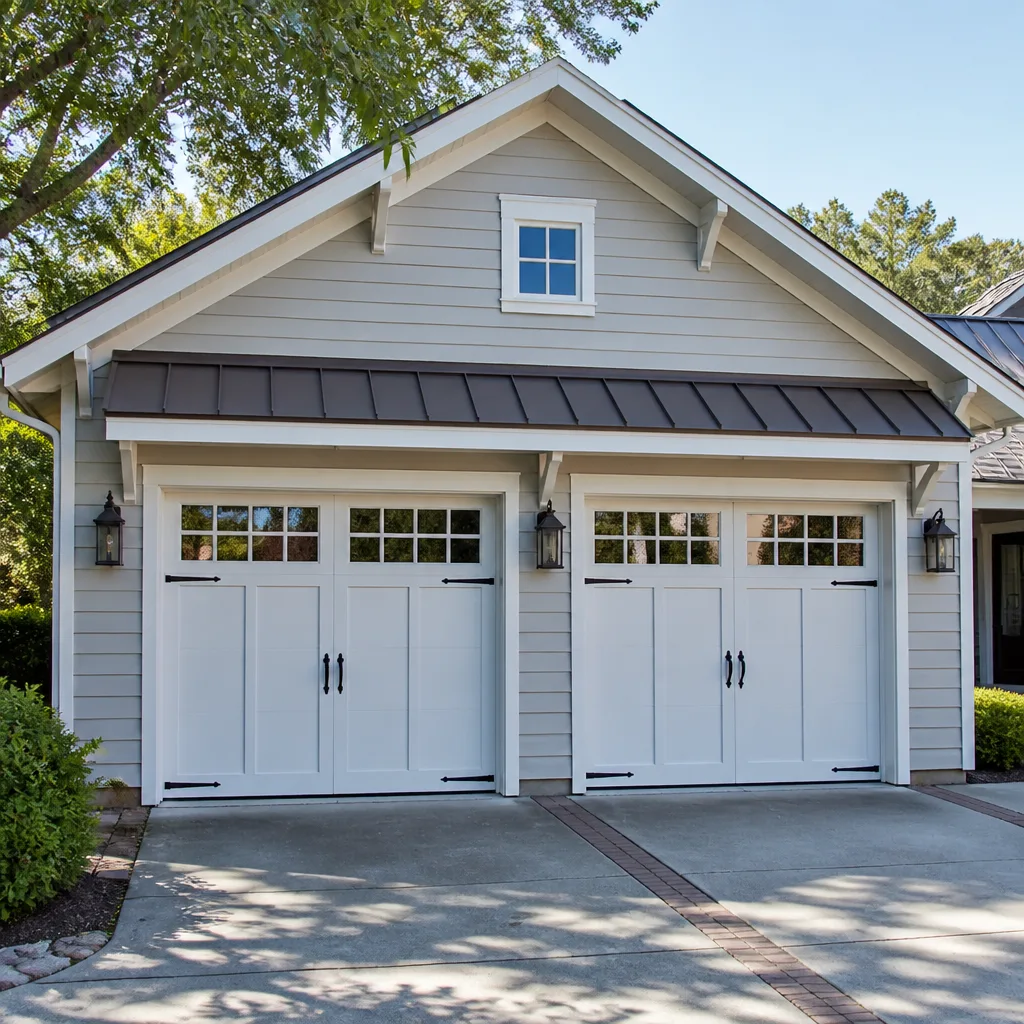 Carriage house
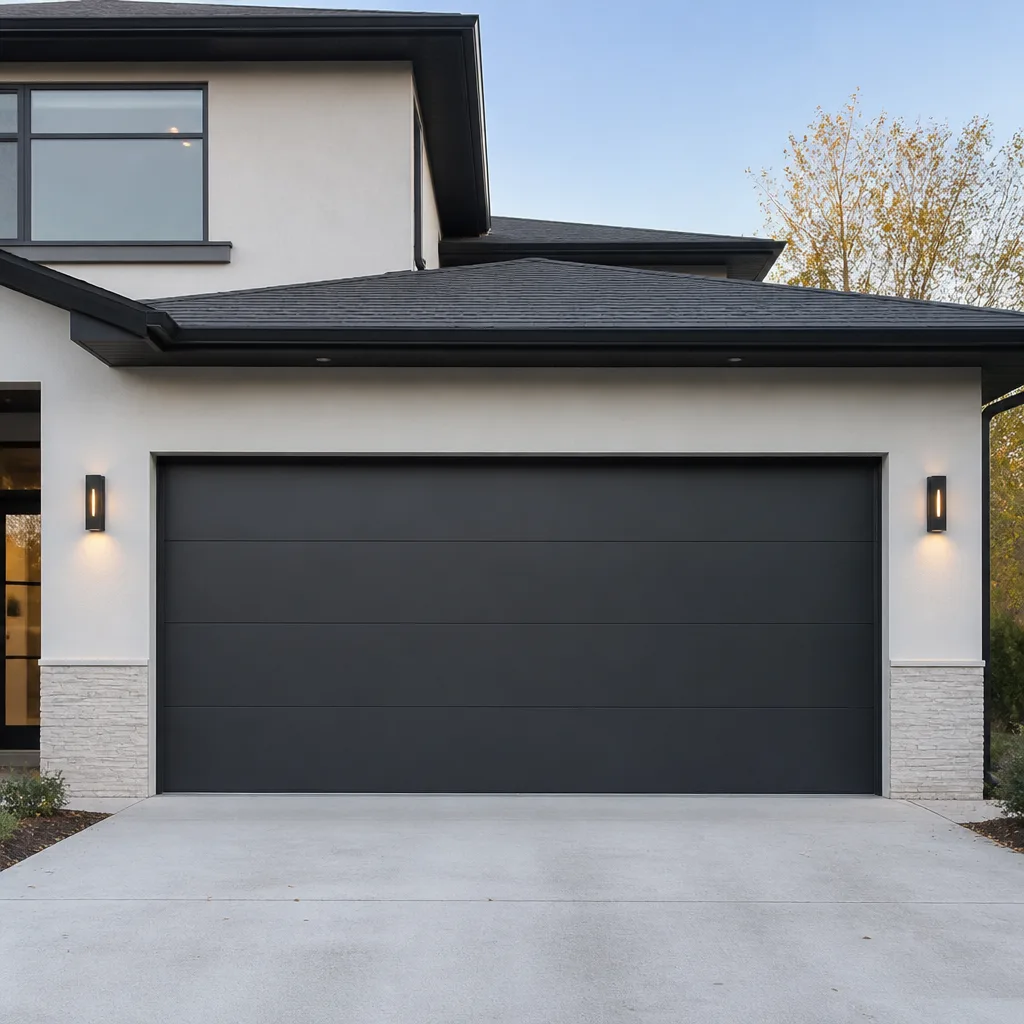 Modern flush
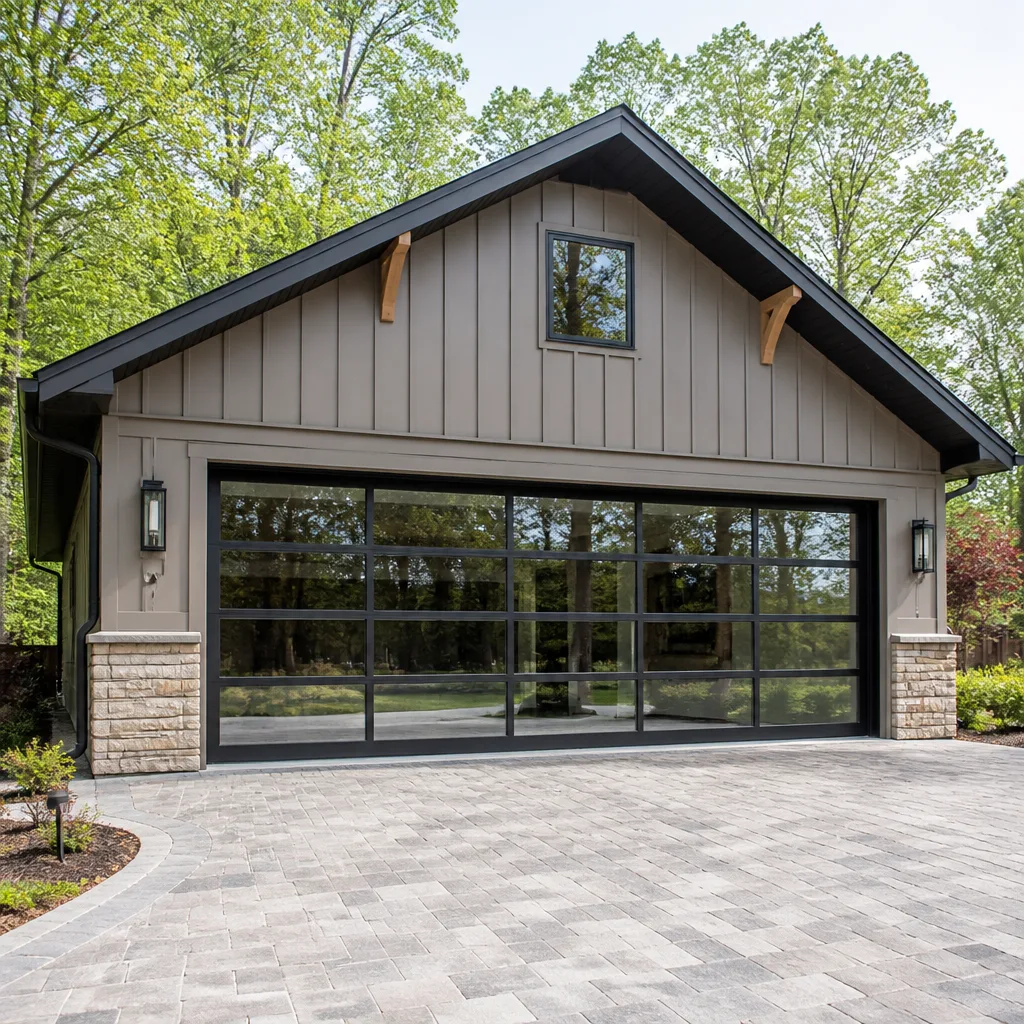 Full-view glass
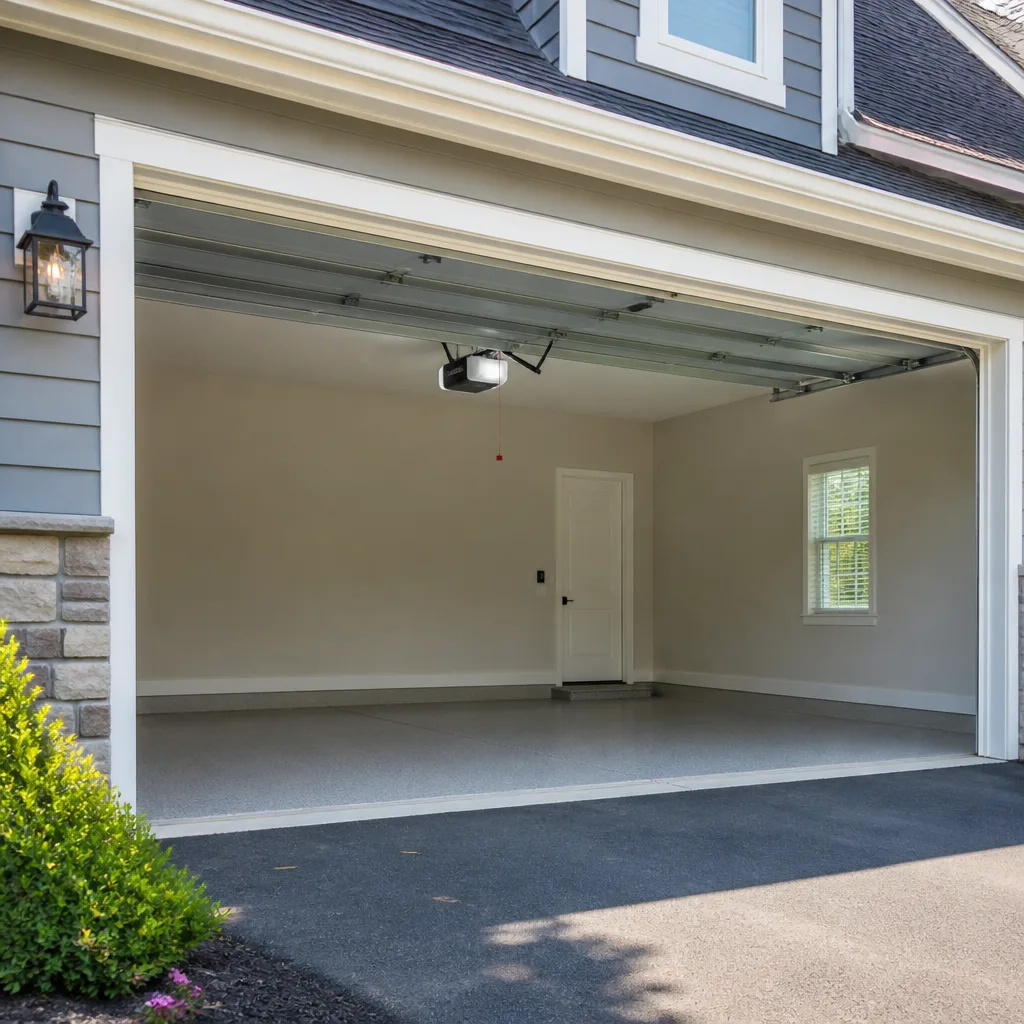 LiftMaster openers
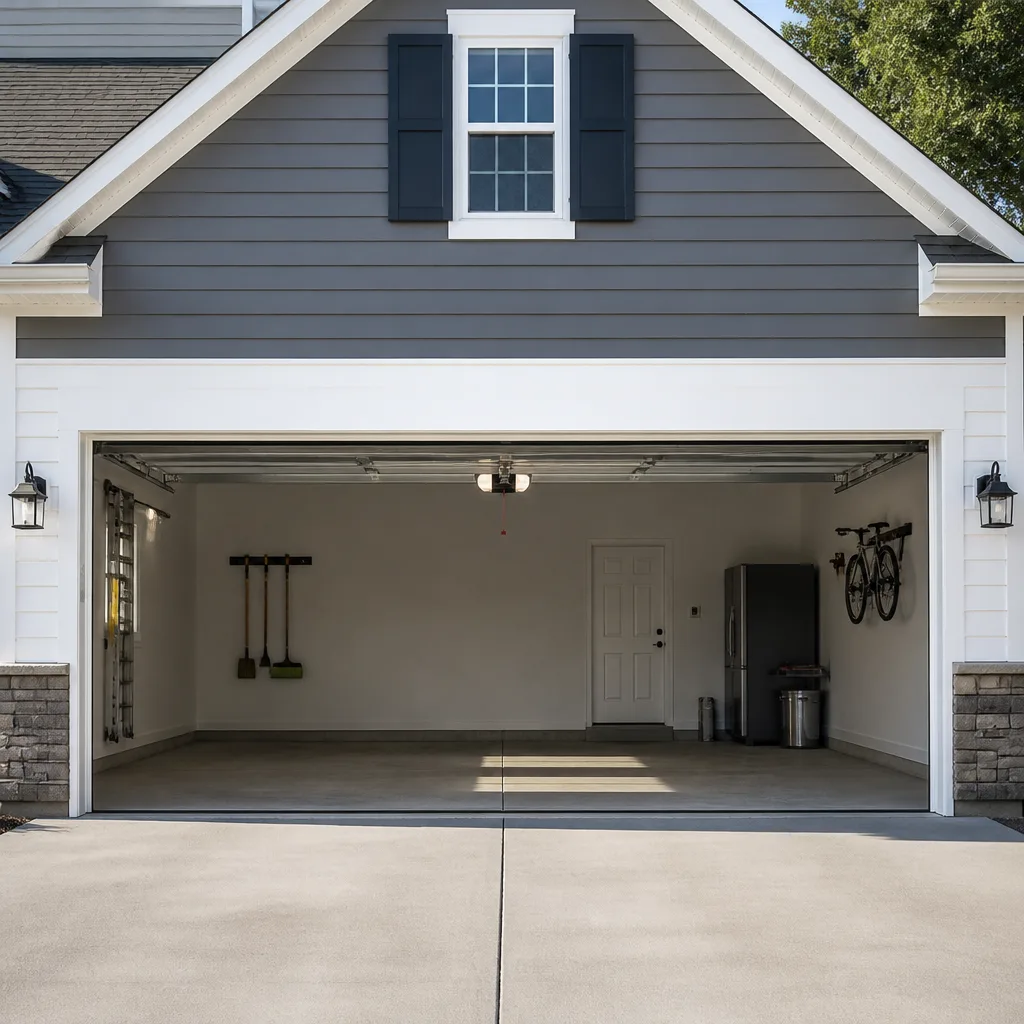 Chamberlain openers
Full 25-point door and opener safety check with every visit - springs, cables, rollers, tracks, and your LiftMaster or Chamberlain opener included
You get a price before we start. It does not change when the pro arrives.
Get your free estimateGarage Door Repair Maintenance Checklist for South Fulton Homeowners
The number-one cause of emergency garage door calls isn’t neglect. It’s maintenance done in the wrong order. Lubricating rollers before inspecting the tracks they run on, for example, pushes grit into a hinge that was already binding. Adjusting a limit switch before checking the photo-eye, and the opener keeps reversing for no reason you can find. Most homeowners in South Fulton have a mental list of things they’re supposed to do, but they’ve never had one ordered by when things actually break here. This guide fixes that. It’s a task-by-task schedule tied to South Fulton’s humid summers and mild-but-damp winters, so you check the right part at the right time and stop doing maintenance that just moves dirt around.
Quick Answer
A working garage door maintenance plan for South Fulton means three things: a 15-minute visual walkthrough once a month, a full lubrication and hardware tightening every six months, and a spring and cable inspection in October before temperatures drop. Most of the wear you’ll catch early comes from humidity loosening hardware and heat cooking cheap lubricants into sticky resin. Inspect in order, bottom seal to opener, and you’ll catch the majority of problems before they become a snap.
If something already feels wrong – a grinding noise, a door that reverses on its own, a visible gap in the spring – that’s a repair problem, not a maintenance one. Call us at (855) 765-9962 and we’ll get a technician out to take a look.
Styles & brands we work with
- Raised-panel steel
- Carriage house
- Modern flush
- Full-view glass
- LiftMaster openers
- Chamberlain openers
Table of Contents
- Why the Order of Your Checklist Matters More Than the List
- October Is When Springs Get Checked, Not January
- The Lubricants That Survive Georgia Heat (and the Ones That Don’t)
- The 15-Minute Visual Inspection Sequence
- How to Test Auto-Reverse and Photo-Eyes Without Tools
- The Full Seasonal Schedule for South Fulton
- Where Maintenance Ends and Repair Begins
- Brand-Specific Notes for Genie, Clopay, Amarr, and Wayne Dalton Systems
Why the Order of Your Checklist Matters More Than the List
Most garage door checklists you’ll find online read like a grocery list. Lubricate this, tighten that, test the other thing. What they never say is what order to do those things in, and that order is the whole ballgame. Do the steps out of sequence and you’ll cover up the problem you were looking for.
Here’s what we mean. Say you start by oiling the rollers. The lube catches the fine grit that’s accumulated on the track, turns it into a paste, and now every time the door rolls, that paste is grinding the roller bearing a little smoother. But if you’d wiped the track clean first, you’d have noticed the black streaks on the steel – that’s a sign the rollers are already flat-spotting and need replacing. The grease hid the symptom. That’s a maintenance task that made the repair more expensive.
The same logic applies to the opener. Adjusting the travel limits or the force setting before you’ve checked the door balance tells you nothing useful. The opener is compensating for a door problem you haven’t found yet, and you’ll just be chasing the adjustment again in a month. Balance the door first. Then test. Then, only if the door moves freely by hand and the opener still stumbles, look at the opener.
In South Fulton, this order issue shows up most often in the late spring, right after the pollen season and the first really humid weeks. Homeowners do a “spring cleaning” pass on the garage door, spray everything down, and then wonder why the door starts running rough by June. Nine times out of ten they lubed over dirty hardware. The order was wrong.
The sequence we use for every job and every check goes like this:
- Look. Walk the full door, top to bottom, with the door closed.
- Clean. Wipe tracks, hinges, and rollers with a dry cloth before anything gets added.
- Test balance and travel by hand with the opener disconnected.
- Then lubricate, tighten, and adjust – in that order.
- Run the opener and test the safety features last.
If you remember nothing else from this guide, remember that order. It’s the difference between actual maintenance and just moving dirt around.
October Is When Springs Get Checked, Not January
Spring tension should be inspected in October in South Fulton, not January after the cable has already snapped. This is the single most useful timing shift we can give you. Torsion springs and the cables that carry them are under constant tension, and that tension is set when the spring is wound. Cooler weather makes steel shrink slightly and become more brittle. Humidity swings make the metal cycle through expansion and contraction dozens of times a day. By the time a South Fulton winter actually arrives in January, the spring has been through a full season of load changes already.
If your spring is showing wear in October, you have time to schedule a replacement on your terms. If you wait until the first cold snap in January, you’re calling us at 6 a.m. because the door won’t lift. Both outcomes are fixable. One is a whole lot less disruptive.
Here’s what to look at in that October check. All of this is visual only – do not touch a wound spring.
- The spring itself. A dark, even coat of paint or powder coat is normal. Rust streaks, a gap in the coil, or a visible gap where the spring has cracked are all signs it’s on its way out.
- The lift cables. They should run parallel and show no fraying or bird-caging. Rust on a cable is a warning sign; replace the cable before it fails.
- The drums at the top corners. The cable should sit neatly in the groove, not riding the edge or overlapping itself.
- The center bearing plate. No grease streaks or metal-on-metal rubbing sounds.
- The bottom brackets and their fasteners. No rust-through, no loose bolts.
- The door balance. With the opener disconnected, lift the door to waist height and let go. It should stay put. If it drops, the springs are losing tension.
Wound torsion springs are one of the most dangerous parts on any garage door. A spring under load can fail with enough force to cause serious injury, and the tools required to safely unwind or wind one aren’t household items. Please don’t try to adjust or replace a spring yourself. Our garage door spring repair technicians handle this every week, and we’ll tell you plainly whether the spring is a replace-now or a watch-it-for-now.
Extension spring doors – more common on older single-car setups – need the same October look. The springs run along the horizontal track above the door, and they’ll rust along the bottom edge first in South Fulton’s humidity. Same rule applies: don’t touch a loaded extension spring.
The Lubricants That Survive Georgia Heat (and the Ones That Don’t)
Every product you put on a garage door has to survive a South Fulton summer, which means 90-plus-degree days in an unventilated garage with the door closed for hours. Some lubricants handle that. Some turn into glue. Using the wrong one is worse than using nothing.
Here’s the breakdown from what we see on service calls.
Lubricants that hold up
- Silicone spray for tracks and weatherstripping. It goes on dry, doesn’t attract dust, and stays slippery through the humidity. Good for the rubber bottom seal and the weatherstrip around the frame.
- White lithium grease in a spray can for hinges, rollers, and the torsion bar bearings. It’s heavier than silicone and won’t wash off in the summer humidity. Apply sparingly – one short burst per hinge.
- Garage door-specific spray lubricant (often labeled for openers or door hardware) for the opener rail and the chain or belt. Formulated to not fling off at speed.
Lubricants to skip
- WD-40 as a long-term lube. It’s a penetrant and water displacer, not a lasting lubricant. It’ll loosen a stuck hinge, then evaporate and leave the hinge dry. Fine to use to clean a stuck part; follow it with a real lubricant.
- Motor oil or 3-in-1 on rollers and tracks. Thin oil attracts grit in the South Fulton pollen season and becomes a grinding paste within a couple of months.
- Any greasy “heavy-duty” product on the tracks themselves. Tracks should be wiped with a damp cloth and left dry. Lube on the tracks is the classic mistake that leads to a jammed roller.
- Whatever’s already in the garage. Every household has a can of mystery spray. Don’t use it on the door.
How to apply it correctly
- Wipe the hinge, roller, and bearing surfaces with a dry cloth first. Get the grit off.
- Spray a short burst (one second) into the hinge pivot and onto each roller bearing. No soaking.
- Follow with a clean rag to catch drips. Excess lube is a dirt magnet.
- Run the door up and down twice to distribute the lubricant through the pivot points.
- Wipe the tracks with a slightly damp cloth after the door has run. No lube on the steel.
Done this way, a lubricant pass takes about ten minutes and holds up for six months in South Fulton conditions. Skip it and the rollers dry out, the hinges start popping, and eventually the opener has to work harder than it should. That extra strain is what shortens an opener’s life.
The 15-Minute Visual Inspection Sequence
The full visual inspection takes under 15 minutes and catches roughly 80% of the problems that turn into repair calls. It goes in a fixed order – bottom to top, seal to opener – so you don’t miss anything by jumping around.
Do this with the door closed and the opener disconnected. That way you can move the door by hand without the opener fighting you.
- Bottom seal. The rubber strip at the very bottom of the door. Look for cracks, missing chunks, or a sag where the seal is no longer resting flush on the floor. A failing seal lets in water, insects, and – in South Fulton – the humidity that rusts the door’s bottom edge first. Run your hand along the floor line; you should feel even pressure the whole way across.
- Weatherstripping. The rubber or vinyl around the sides and top of the garage frame. Check for tears, hard spots, and any light coming through when the door is closed. The sealant stick should still sit against the door panels with even pressure. If you can see daylight, you’re losing heat in winter and letting humidity in year-round.
- Hardware. Look at every hinge, roller, and bolt. Loose bolts need tightening; rusted hinges need replacing. Walk the full width of the door checking that all rollers sit in the track. A roller that’s popped out is a jam in progress.
- Panels. Look down each panel edge from a slight angle. You’re checking for cracks, dents, and – most importantly – whether the panels have shifted out of vertical. A door that’s been nudged or hit will show one edge out of line. Panel misalignment puts uneven load on the springs, which is exactly the load change that snaps one.
- Opener. Reconnect the door. Check the opener’s wall button, remotes, and any safety sensors. Look at the light on the motor unit – most modern openers flash a diagnostic code when something’s off. Check the manual for your model.
That sequence is worth running monthly, and there’s a reason for the bottom-to-top order. Water and humidity damage starts at the bottom seal and works up. Hardware failures follow gravity. The opener is the last thing in the chain, so if you inspect it too early, you’re reading the symptoms of everything below it rather than the source. Run the sequence up, not down, and the diagnosis writes itself.
A note on what “closed” means for the inspection
Inspect the door closed first, then run it to the open position and back once with the opener just to confirm the whole sequence looks smooth. You don’t need to inspect anything in the open position – the sealed and closed state is what actually protects your house.
How to Test Auto-Reverse and Photo-Eyes Without Tools
The two safety systems on every modern garage door opener are the auto-reverse (which sends the door back up if it hits something) and the photo-eye sensors (which reverse the door if something crosses the beam). Both can be tested in under two minutes with no tools. Both should be tested monthly.
Testing the auto-reverse
- Close the door fully using the wall button.
- Open it fully.
- Lay a 2×4 board flat on the floor in the door’s path, roughly in the middle.
- Press the wall button to close the door.
- As soon as the door touches the board, it should reverse direction and go back up.
If the door doesn’t reverse when it meets the board, the force setting is too high or the safety circuit isn’t working. Stop using the door – call a technician. A garage door that closes on something without reversing is a serious hazard, and it’s usually a quick fix if caught early.
Testing the photo-eye sensors
- Find the two small sensor units mounted near the floor at each side of the door track. They should be roughly at the same height, pointing at each other.
- Check the LEDs on each sensor. Most brands show a steady green or amber light when aligned and receiving; a flickering or off light means something is wrong.
- With the door open, wave your hand slowly across the beam between the two sensors while pressing the wall button to close the door. The door should stop and reverse without ever coming down.
- Wipe the sensor lens with a dry cloth and retest.
The most common photo-eye failure we see in South Fulton homes is dirt or pollen on the lens. The sensors sit near the floor where dust and garage debris accumulate. A quick wipe often solves a “door won’t close” problem entirely.
Testing the manual release
Every opener has a manual release – usually a red cord hanging from the trolley. Pull it (with the door closed) and check that the door operates smoothly by hand. This is the mechanism you’d use during a power outage. Then re-engage by running the opener back and forth once. If the door doesn’t re-engage cleanly, that’s a maintenance problem that needs a technician.
The Full Seasonal Schedule for South Fulton
Here’s the master schedule adapted to South Fulton’s climate. The idea is to front-load the checks that matter before the humidity swings and the temperature drops, so you’re always ahead of the failure curve instead of chasing it.
Monthly (15 minutes)
- Full visual inspection, bottom seal to opener.
- Test auto-reverse with a board.
- Test photo-eye sensors.
- Listen for new sounds – a grind, a pop, a click that wasn’t there last month.
March (30 minutes)
Pre-summer pass before the heat hits.
- Wipe down tracks with a slightly damp cloth and let dry.
- Lubricate hinges and rollers with white lithium grease.
- Tighten every bolt on hinges, brackets, and the track supports.
- Check the bottom seal for the winter’s wear. South Fulton winters are mild, but the seal still takes a beating from the damp.
- Test spring balance by hand with the opener disconnected.
June (20 minutes)
Mid-year check during the hot stretch.
- Wipe tracks again – pollen season leaves grit on the steel.
- Check hinges for lube dry-out (the spray lubricant dries faster in the heat).
- Look at the spring for new rust streaks.
- Re-test safety features.
October (45 minutes – the big one)
- Full spring and cable inspection.
- Re-grease every hinge, roller, and bearing.
- Check bottom seal and weatherstripping against the door for gaps.
- Check panel alignment down each panel edge.
- Review the opener’s force and travel settings with the manual in hand.
December (15 minutes)
- Confirm door seals properly with no visible light around the frame.
- Test the opener and both remotes for battery strength.
- Run a full cycle of the door five times while listening carefully.
That total footprint is about 3 hours a year. Compare that to the cost and disruption of an emergency call in January. The math is not close.
South Fulton homeowners with heavier daily garage use – families with two cars exiting and entering several times a day – should double the frequency of the monthly checks. The doors on those houses work harder, and the wear curve moves faster.
If you’d rather have a professional run the full October check, we do that. A maintenance visit through our garage door repair team covers the full door system in one stop, and you’ll get a plain-spoken report on what we found.
Where Maintenance Ends and Repair Begins
Confusing maintenance with repair is one of the most expensive mistakes a South Fulton homeowner can make. Maintenance is preventative – it keeps a working system working. Repair is corrective – it fixes something that’s already broken. They use different skills, different parts, and honestly different risk levels.
Here’s a simple test. Ask yourself one question: after I’m done, is the door more or less likely to hurt me? If the answer is anything other than “no change at all,” it’s a repair job and you should call us.
These are maintenance
- Lubricating hinges, rollers, and bearings.
- Wiping tracks clean.
- Tightening visible bolts on hinges and brackets.
- Testing auto-reverse and photo-eyes.
- Replacing remote batteries.
- Wiping the sensor lenses.
- Visual inspection of springs – look, don’t touch.
These are repair – call a technician
- Replacing a torsion or extension spring.
- Replacing a lift cable.
- Replacing the bottom bracket.
- Adjusting the spring tension at the winding cone.
- Straightening a bent track.
- Replacing a roller bearing (not just lubricating).
- Repairing or replacing a damaged panel.
- Any electrical work inside the opener motor housing.
- Adjusting the opener’s force or travel limits if the door balance is off.
The most common “maintenance” task that turns into a repair call in our experience is adjusting the opener’s force. Homeowners turn the force setting up to compensate for a door that’s become heavy, and the door “works” again for a month or two. But the extra strain is now working on the opener’s gear assembly and the door’s springs. What would have been a simple balance adjust becomes an opener replacement or a spring replacement on top of it.
If you’ve already noticed a symptom that’s beyond maintenance, don’t wait. Our garage door opener repair team handles the electronics side, and we’ll tell you exactly what we found and what it’ll take to fix it. Emergency service is a core part of what we do – if your door won’t open, won’t close, or the spring just snapped, call us and you’ll get priority response, not a next-week appointment.
Brand-Specific Notes for Genie, Clopay, Amarr, and Wayne Dalton Systems
Garage door systems aren’t all alike, and the maintenance schedule shifts a little depending on what’s on your house. Here’s what’s worth knowing if you own one of the common brands we work on in South Fulton. We handle all the major residential brands – Genie, Clopay, Amarr, Wayne Dalton, LiftMaster, Chamberlain, Craftsman, and Raynor – so no matter which one you’ve got, there’s no dead end.
Genie openers
Genie openers are common on South Fulton homes and generally reliable. The maintenance note for Genie is different from other brands: the opener often has a diagnostic LED that flashes a specific number of times to indicate a fault code. When something’s off, check the manual for your specific Genie model, and you’ll usually find a code list. Most maintenance visits for Genie openers involve the safety sensor alignment and the force setting, both of which can drift over the hot summer.
Remote pairing on Genie units can also get confused if the remotes are old and the battery is weak. If a Genie remote “stops working,” change the battery and re-pair before assuming the opener is at fault.
Clopay doors
Clopay doors typically come with a heavier steel gauge on the panels, which holds up well in South Fulton humidity, but the panel seams are where water gets in. Pay special attention to the bottom edge of the lowest panel during your monthly inspection. Clopay doors also need their bottom seal checked regularly – the seal is the first line of defense against the damp that rots the panel edge.
Amarr doors
Amarr doors often use a proprietary hinge style. When you tighten hinges during maintenance, use the right size wrench for the bolt so you don’t round the head. Amarr doors run smoothly when the hardware is looked after, but the hinge pins benefit from a slightly heavier grease than the standard white lithium on very humid weeks.
Wayne Dalton doors
Wayne Dalton doors – especially the TorqueMaster-style spring system on certain models – need care during the October inspection. TorqueMaster springs are enclosed in a tube along the header, which means the spring itself is harder to inspect visually. That’s fine – the balance test tells you what you need to know. If the door doesn’t hold at waist height, the spring needs attention from a technician. Never open the TorqueMaster tube yourself; the tension inside is just as serious as on a standard torsion spring.
Here’s the bottom line on brand differences. The maintenance schedule in this guide works on every brand. The specifics – grease type, sensor alignment quirks, part sizing – are where knowing the brand helps. If you’re ever unsure which brand your door or opener is, take a photo of the label on the opener motor unit and the door’s bottom bracket. Either or both will usually tell you. We’ll work with that.
Common Mistakes to Avoid
- Lubricating the tracks. Tracks should be wiped clean and left dry. Lube on the steel track is the single most common cause of a jammed roller we see in South Fulton. The rollers need lube; the tracks need to be clean.
- Using WD-40 as a long-term lubricant. It’s a penetrant, not a grease. It’ll loosen a stuck hinge and then dry out, leaving the hinge running metal-on-metal. Use it to clean; follow with actual lubricant.
- Adjusting the opener’s force to compensate for a heavy door. The door is heavy because a spring has lost tension. Turning up the force is treating the symptom. Have the spring checked.
- Skipping the October spring check. If you check the spring only in January, you find out it failed after the first cold snap – and you find out by it snapping. October gives you room to plan.
- Ignoring the bottom seal. In South Fulton’s humidity, the bottom seal is the leading edge of water damage on your door. Replace it when it starts to crack, not after the bottom panel has rusted through.
- Tightening rollers. The rollers sit loosely in their hinges on purpose. Tightening them binds the roller and forces the door to work harder. Tighten the hinge bolts, not the roller pins.
- Testing the auto-reverse with your foot or a hand. Use a solid board, not a body part. The test should never be conducted with anything you’d miss.
- Assuming a “no lift” door needs a new opener. Nine times in ten, a door that won’t lift has a broken spring or cable, not an opener problem. Have the door balance checked first.
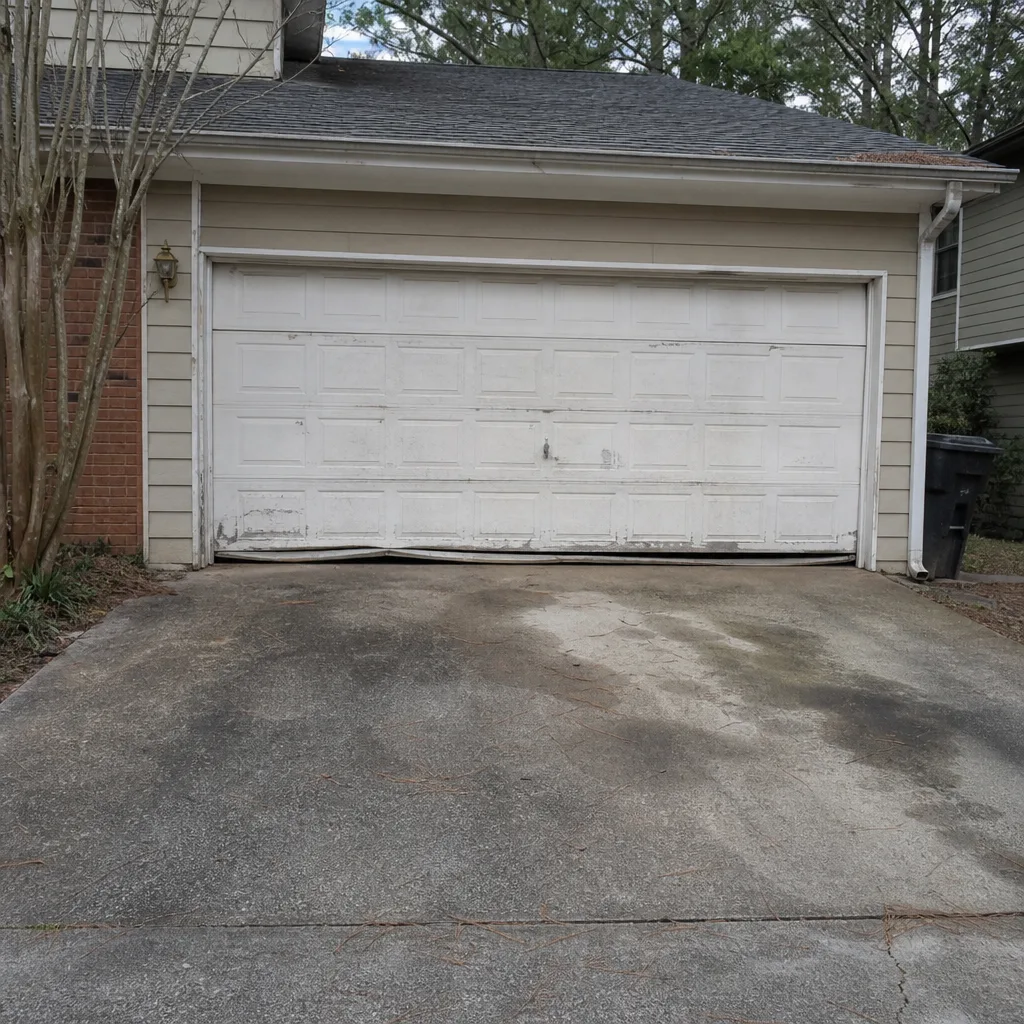
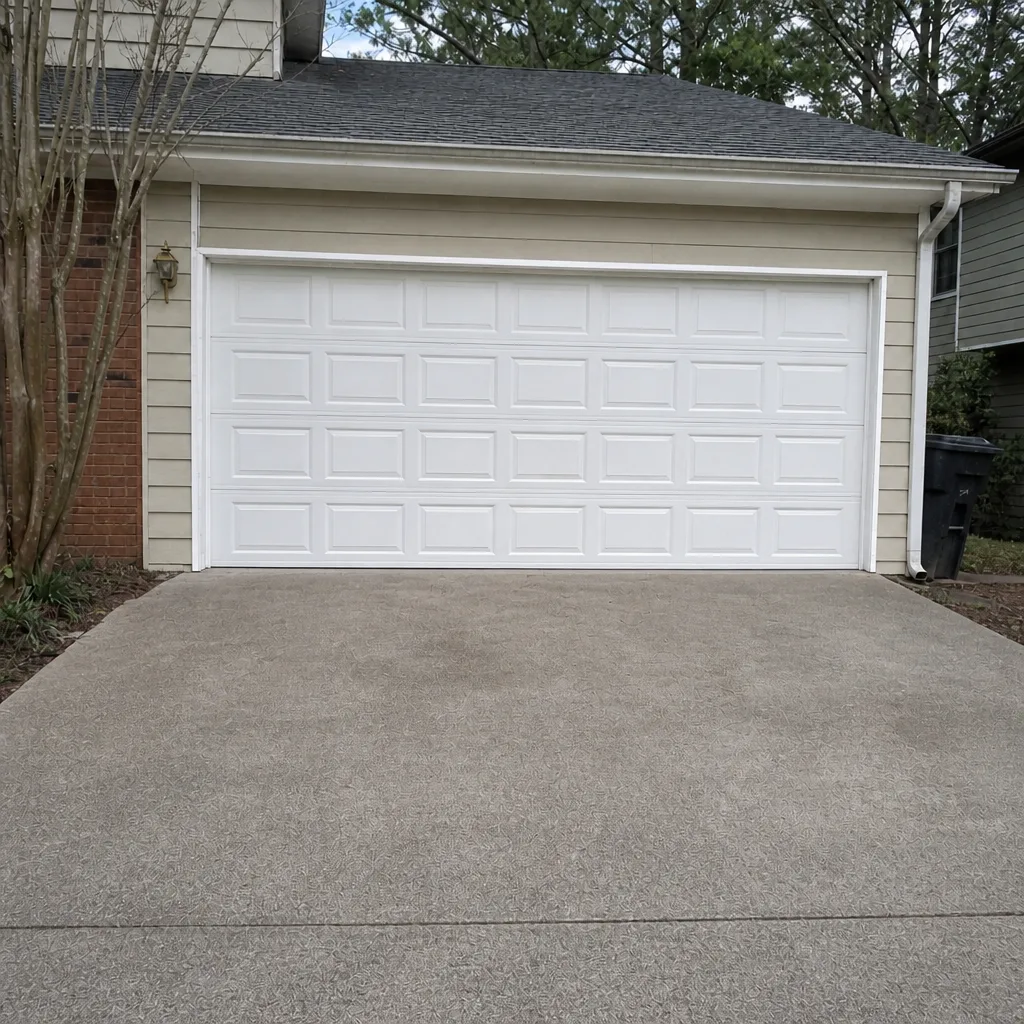
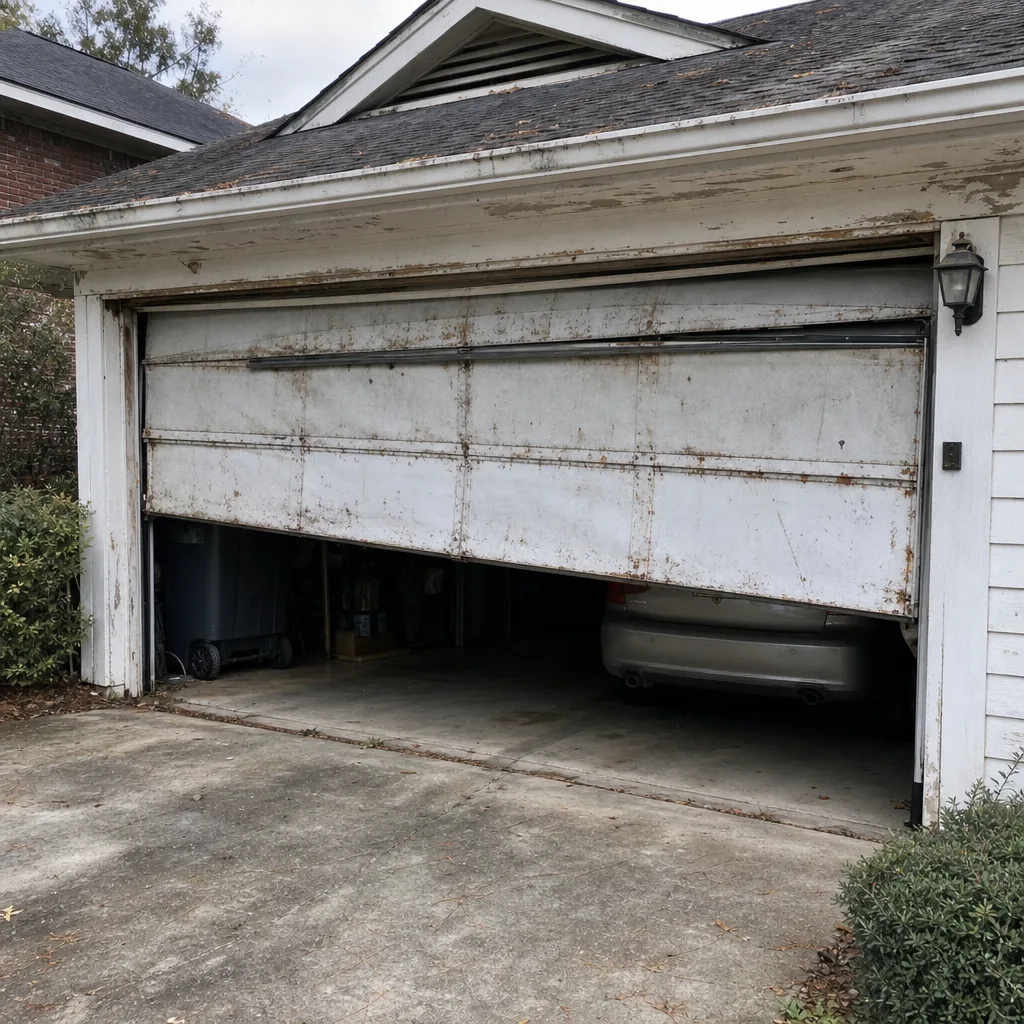
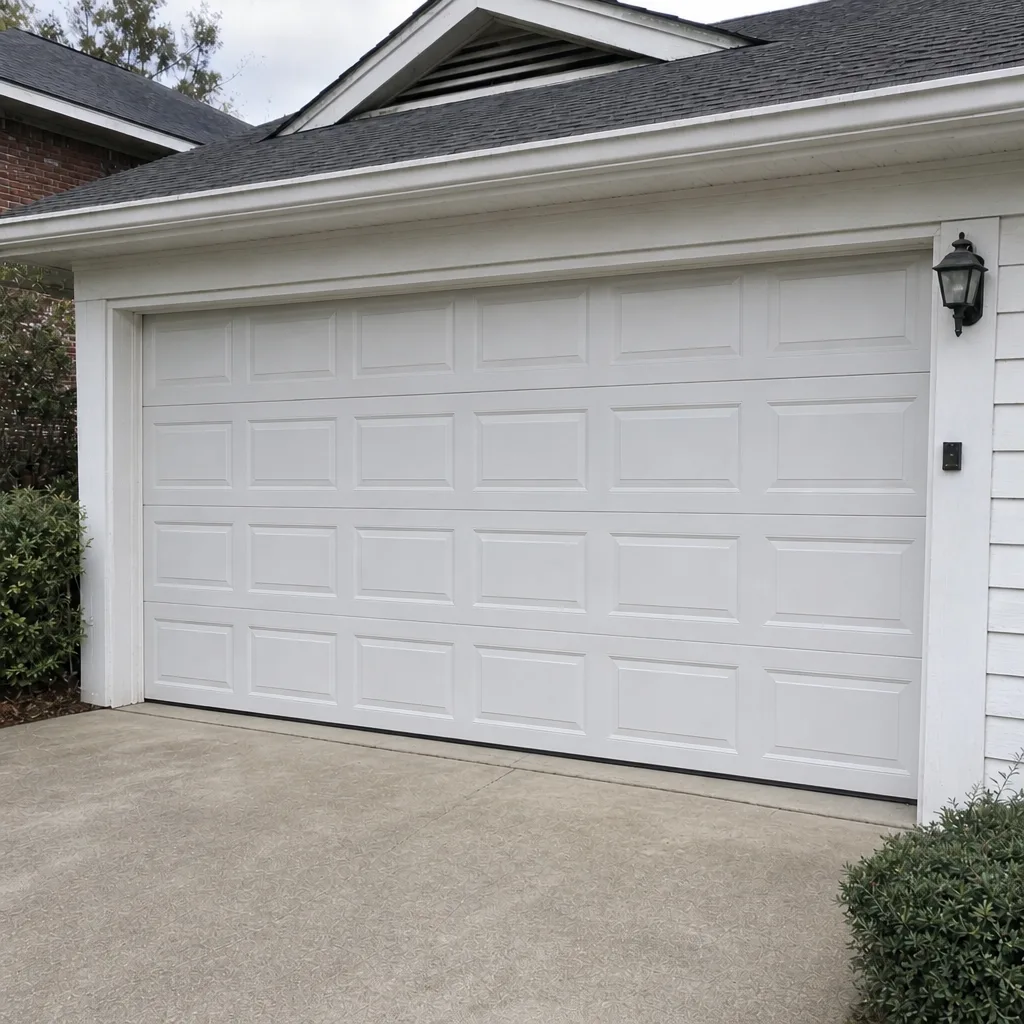
See the difference
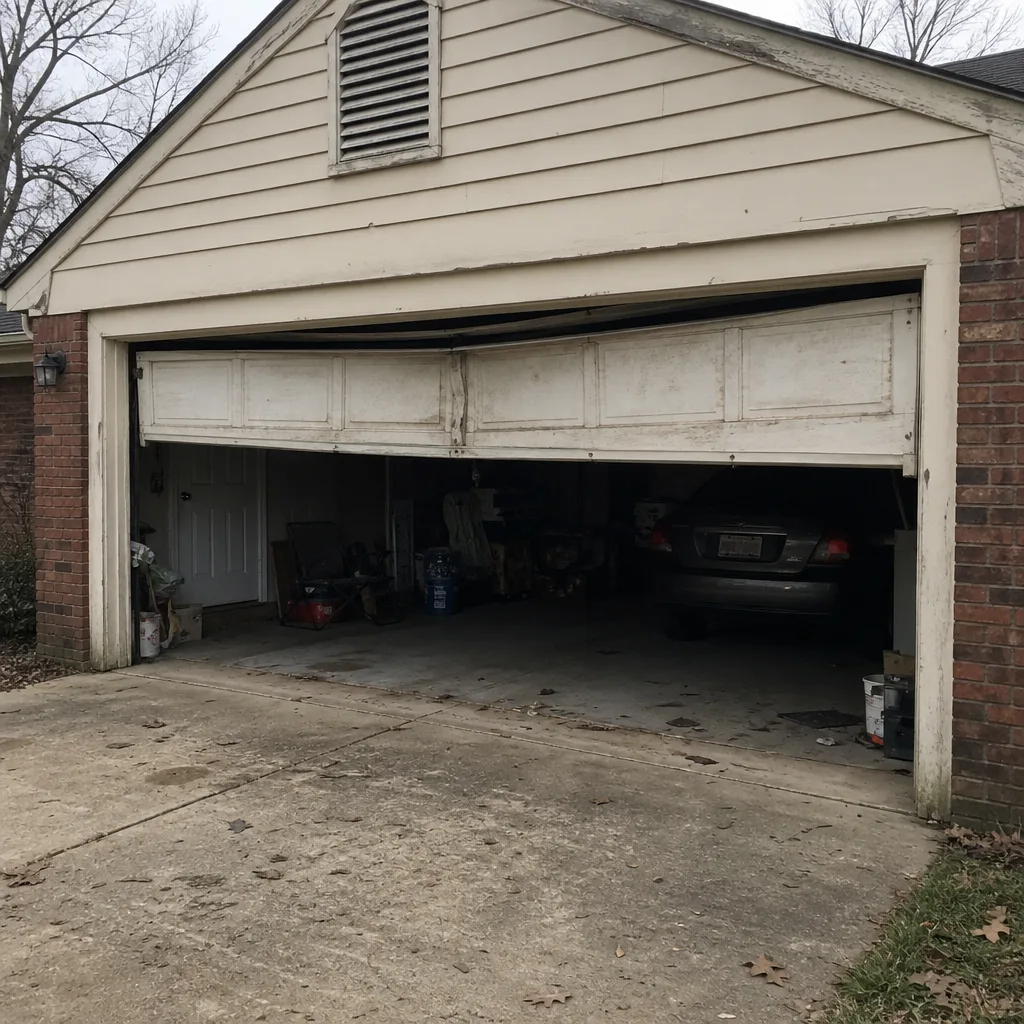 Before
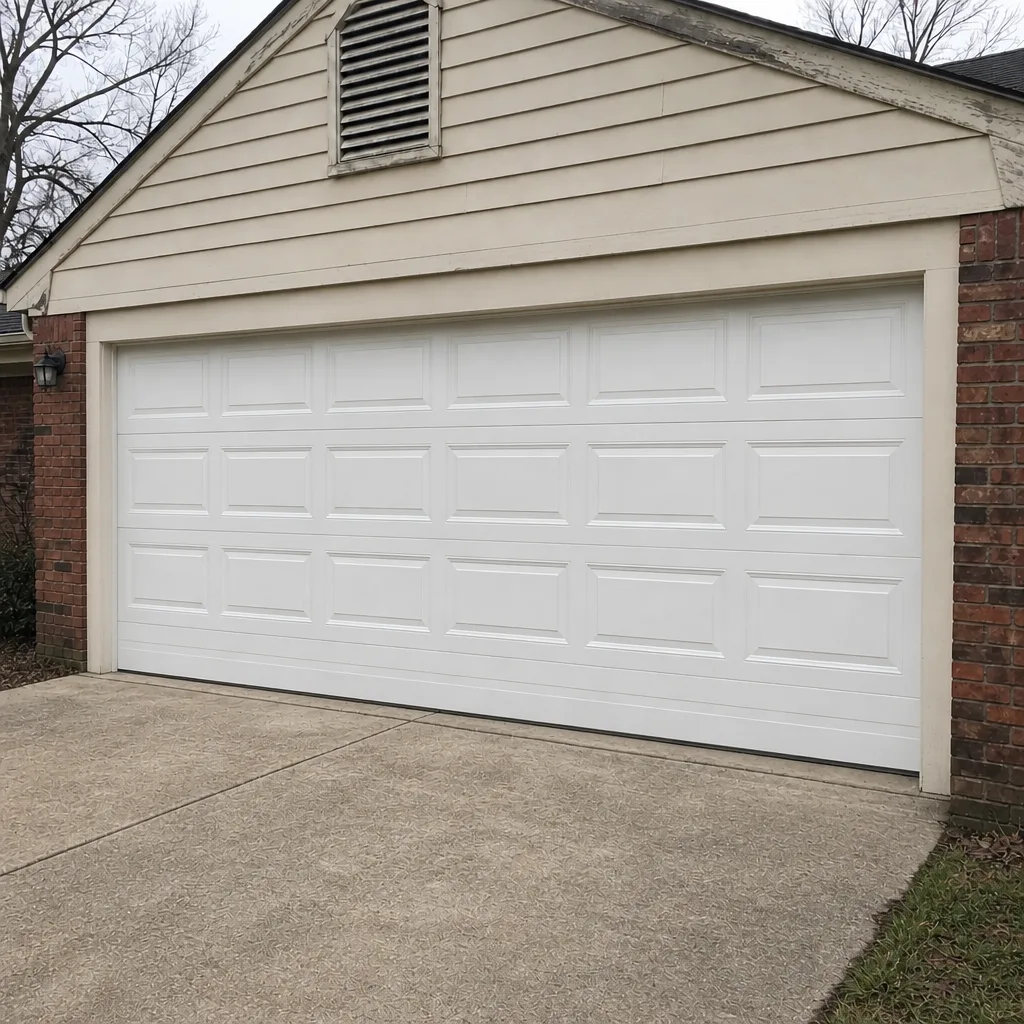 After
 Before
 After
 Before
 After
When to Call a Professional
Call a professional when the task requires touching a loaded spring, adjusting spring tension, replacing a cable or bottom bracket, straightening a track, or repairing the opener’s electrical system. These are the jobs where the risk of injury is real and the cost of getting it wrong is a lot higher than the cost of a service call.
Call right away if you hear a loud bang from the garage, see a gap in the spring coil, notice the door hanging unevenly, or find a lift cable that’s frayed or broken. Any of those is a sign the system is under load and about to fail. Stop using the door.
For everything else, call when the symptom is beyond what maintenance can fix. If your door won’t reverse properly, won’t close all the way, or the opener flashes an error code that a fresh battery and a sensor wipe didn’t solve, it’s time.
South Fulton Garage Door Repair offers free estimates in South Fulton – call (855) 765-9962. Our technicians have up to 14 years of experience, and we’ll give you a straight answer about whether you’re looking at maintenance or repair.
Frequently Asked Questions
Every garage door in South Fulton should get a full service twice a year – once in March before the heat and once in October before the cold – plus a 15-minute visual check once a month. The twice-yearly service covers lubrication, hardware tightening, spring inspection, and safety feature testing. The monthly checks catch wear between services.
No. Torsion and extension springs are under enough tension that a failure can cause serious injury, and the winding process requires specific tools and knowledge that homeowners don’t have on hand. This is one of the few garage door tasks we’d tell you to never attempt yourself. Call (855) 765-9962 for spring repair – we handle this every week.
New sounds. A garage door that’s working fine shouldn’t grind, squeak, or pop. Any new sound is a symptom of wear that’s started. Run the 15-minute visual inspection in this guide and you’ll usually find it. If you can’t find the source, call us – we’ll diagnose it.
Two likely causes. Either the photo-eye sensors are misaligned or dirty, or the opener’s travel-down limit is set too high. Wipe the sensor lenses first and check the LED status. If the sensors are clean and aligned but the door still reverses, the travel limit needs adjusting – and if the door is also running heavy, the balance needs checking first. Call us if the sensor clean doesn’t solve it.
Yes, and sooner than most people expect. New doors come with minimal factory lubrication, and the first six months are when the hardware seats in. A light lubricant pass at the one-month mark helps the door break in smoothly. After that, follow the twice-yearly schedule in this guide. Our garage door opener repair team can also check that the opener is matched correctly to the new door’s weight.
We work on LiftMaster, Chamberlain, Genie, Clopay, Amarr, Wayne Dalton, Craftsman, and Raynor garage doors and openers. Openers get diagnosed on the same visit regardless of brand – Genie, LiftMaster, Chamberlain, or Craftsman all get the same careful look. If you’ve been told before that your system “isn’t supported,” we’ll take a look and let you know what’s actually possible.
Often, yes. Emergency garage door service is a core part of what we do at South Fulton Garage Door Repair, so a snapped spring, a stuck door, or a malfunctioning opener gets priority response. Our technicians have up to 14 years of experience and carry the common parts for all the major brands. Call (855) 765-9962 and we’ll tell you what’s realistic for your specific door.
The Bottom Line
Maintenance works when it’s ordered by failure pattern, not by what feels thorough. In South Fulton, that means:
inspecting bottom to top, checking spring tension in October (not January), using lubricants that survive the heat, and running the 15-minute visual sequence once a month.
Three hours a year of correctly ordered maintenance is what separates a garage door that lasts from one that fails on a cold morning.
If you hit a task in this guide that’s beyond maintenance, don’t push through it. Springs are dangerous, cables are under load, and the opener’s electronics are best left to a technician who’s seen the inside of your brand before. We’re here for both the routine checks and the emergency calls, with the full picture of your door system in one visit.
For a free estimate on any garage door repair, spring service, opener repair, or new door installation in South Fulton, South Fulton Garage Door Repair is one call away at (855) 765-9962. Certified to service 8 of the most common garage door and opener brands, so you won’t hear “we don’t work on that” – just a straight answer about your door.
Written by the team at South Fulton Garage Door Repair.